
Keeping Dogs Comfortable in Changing Fall Weather: A Seasonal Wellness Guide

From crisp morning walks to chilly evening snuggles, here's how to help your dog enjoy everything autumn has to offer.

There's something undeniably wonderful about fall. The air gets crisp, the trees put on their annual fashion show, and suddenly everything smells faintly of cinnamon, pumpkin spice, and expensive seasonal candles.
For dog owners, autumn also brings the return of comfortable afternoon walks, crunchy leaves underfoot, and the delightful sight of our four-legged companions investigating every fallen leaf as though it contains a classified government secret.
But while we're busy embracing sweater weather, our dogs are navigating seasonal changes of their own.
One morning it's a balmy 65 degrees, and the next you're questioning whether you accidentally moved to Vermont overnight. Add shorter days, wet sidewalks, seasonal allergens, and the occasional unexpected frost, and fall becomes a little more complicated for our canine companions.
Fortunately, keeping your dog comfortable through autumn doesn't require an elaborate wellness routine or an entire wardrobe of designer dog sweaters.
It simply requires paying attention to how changing weather affects your dog's individual needs.
Here's your K9 Curator guide to helping your pup stay happy, healthy, and comfortable as the seasons change.
1. Understanding How Dogs Experience Temperature Changes
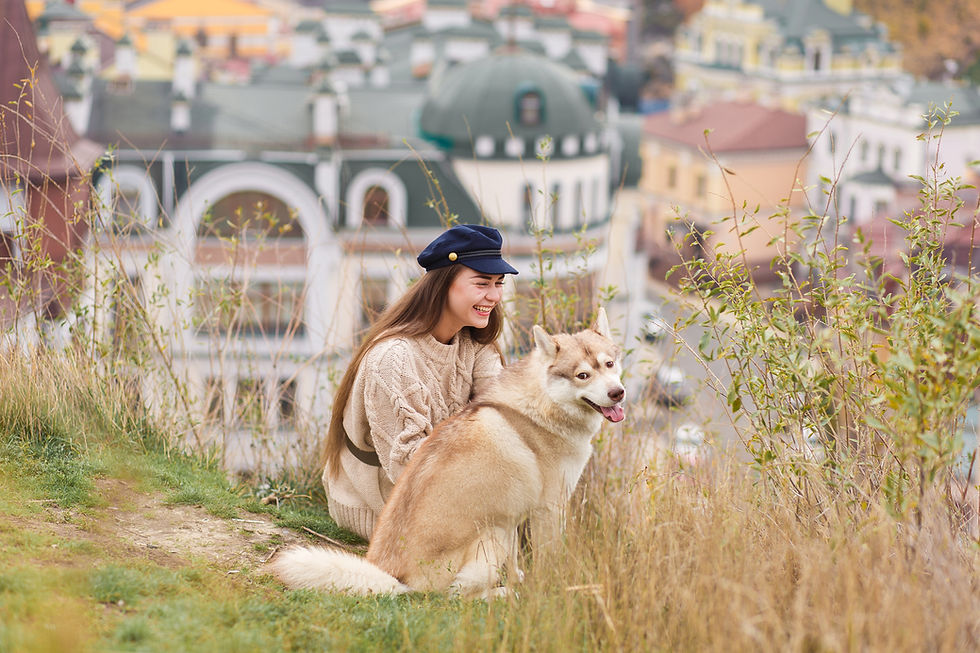
Not all dogs experience cooler weather the same way.
A fluffy Siberian Husky and a short-haired Italian Greyhound can have dramatically different reactions to a brisk November morning.
A dog's comfort in cooler temperatures depends on several factors, including:
Breed and coat type: Dogs with thick double coats generally tolerate cooler weather better than thin-coated breeds.
Body size: Smaller dogs often lose body heat more quickly than larger dogs.
Age: Puppies and senior dogs may have more difficulty regulating body temperature.
Body condition: Very lean dogs may be more sensitive to cold.
Health: Certain medical conditions can affect temperature tolerance.
Acclimatization: Dogs accustomed to warmer climates may need additional time to adjust.
Rather than relying on a universal temperature cutoff, observe your dog's behavior.
Shivering, lifting paws off the ground, slowing down, seeking shelter, or repeatedly trying to return home may indicate discomfort.
K9 Curator Tip: If your dog seems uncomfortable, shorten the walk and head somewhere warm. Your dog's body language is a better guide than a rigid temperature chart.
2. Dog Sweaters and Jackets : Fashion Meets Function

Let's address one of autumn's most entertaining developments: the return of canine outerwear.
Some dogs look as though they've been waiting all year to debut their fall collection. Others respond to a sweater with the theatrical indignation of someone being forced to wear last season's runway leftovers.
But beyond the adorable photo opportunities, sweaters and jackets can serve a practical purpose.
Which dogs benefit from extra layers?
Dogs who may appreciate a sweater or coat include:
Small or toy breeds
Short-haired or thin-coated dogs
Senior dogs
Dogs with low body fat
Dogs recovering from illness or with certain medical conditions
Even breeds with naturally insulating coats may benefit from weather protection during prolonged exposure to cold rain or wind, depending on the conditions.
Choosing the right outerwear
Look for clothing that:
Fits comfortably without restricting movement.
Allows your dog to walk, sit, and relieve themselves normally.
Doesn't interfere with a collar or harness.
Has no loose decorations or easily swallowed accessories.
Uses breathable materials appropriate for the weather.
Is easy to remove if your dog becomes too warm.
For rainy conditions, a lightweight, water-resistant jacket may be more useful than a thick sweater that absorbs moisture.
And remember, a damp sweater can make your dog colder rather than warmer.
A little canine fashion advice: Function first, fabulous second. Ideally, you can have both.
3. Paw Care: Protecting Those Hardworking Little Feet

Autumn sidewalks can be surprisingly rough on paws.
Wet leaves, cold pavement, muddy trails, sharp debris, and early applications of ice-melting products can all create irritation or injury.
Dogs who spend considerable time outdoors may also experience dryness or cracking as temperatures and humidity fluctuate.

Your fall paw-care routine
Inspect paws after walks.
Look between the toes and around the paw pads for small stones, burrs, cuts, redness, or trapped debris.
Clean muddy paws gently.
Use lukewarm water or a damp cloth to remove dirt and potential irritants, then dry thoroughly, especially between the toes.
Keep nails appropriately trimmed.
Overgrown nails can affect traction and comfort, particularly on slippery surfaces.
Consider protective gear when needed.
Well-fitting dog boots can help protect paws from irritating surfaces and certain winter deicing products.
Introduce boots gradually with treats and positive reinforcement rather than expecting your dog to immediately appreciate their new footwear.
If your dog develops persistent licking, limping, swelling, or visible injury, consult your veterinarian.
4. Seasonal Allergies Don't Disappear When Summer Ends

It's tempting to assume that allergy season ends when the temperature drops.
Unfortunately, autumn can bring its own collection of environmental triggers.
Depending on your region, dogs may encounter ragweed pollen, mold spores from damp vegetation, dust, and other allergens.
Unlike humans, who often experience sneezing and watery eyes, dogs with environmental allergies frequently develop skin-related symptoms.
Common signs include:
Excessive paw licking or chewing
Itchy ears or recurrent ear problems
Red or irritated skin
Scratching around the face, belly, or armpits
Rubbing against furniture or carpets
Changes in skin odor
Helping an itchy dog
Wiping your dog's paws and coat after outdoor activities may help remove environmental irritants.
Regular grooming can also reduce accumulated debris.
However, persistent itching deserves veterinary attention. Fleas, skin infections, and other conditions can cause similar symptoms.
Avoid giving human allergy medications or applying medicated products without veterinary guidance.
K9 Curator Tip: If your dog becomes noticeably itchier every autumn, keep a simple symptom diary. Recording when symptoms appear and what environments your dog has visited can help your veterinarian identify possible patterns.
5. Fall's Hidden Outdoor Hazards

A walk through colorful autumn foliage sounds idyllic.
But beneath those picturesque leaves, a few less charming surprises may be waiting.
Mushrooms
Fall moisture can encourage mushroom growth in lawns, parks, and wooded areas.
Some wild mushrooms are toxic to dogs, and identifying safe varieties by appearance alone is unreliable.
Prevent your dog from eating wild mushrooms.
If ingestion occurs, contact a veterinarian or animal poison-control service promptly. If safe to do so, photograph the mushroom and its surroundings to help with identification.
Acorns and fallen nuts
Acorns can cause gastrointestinal upset, and larger pieces may create choking or obstruction hazards.
Certain fallen nuts, especially moldy walnuts, can also be dangerous.
Discourage scavenging and practice a reliable "leave it" cue.
Moldy leaf piles
Damp piles of leaves can harbor mold and conceal sharp objects, animal waste, or other hazards.
Your dog can still enjoy a good leaf-sniffing adventure, but avoid allowing them to eat decaying vegetation.

Rodenticides
As temperatures drop, rodents may seek shelter indoors, increasing the use of rodent-control products around buildings.
These products can be highly toxic to dogs.
Keep pets away from bait stations and unfamiliar pellets. Suspected ingestion requires immediate veterinary advice, even if your dog seems normal.
Ticks
Cooler temperatures don't automatically eliminate tick exposure.
Some ticks remain active during mild fall and winter conditions.
Continue veterinarian-recommended parasite prevention and check your dog after walks through grass, brush, or wooded areas.
6. Shorter Days Mean Smarter Walking Habits

One of autumn's less glamorous features is the sudden disappearance of daylight.
In much of the United States, the end of daylight saving time makes evening walks noticeably darker.
For dogs and their humans, reduced visibility introduces additional safety concerns.
Make nighttime walks safer
Use reflective accessories.
Reflective collars, harnesses, and leashes can improve visibility to drivers and cyclists.

Add a clip-on light.
A small LED light attached to your dog's harness can make them easier to spot in low-light conditions.
Stick to familiar routes.
Well-lit sidewalks and predictable walking paths can reduce the likelihood of unexpected hazards.
Keep your dog leashed near traffic.
Even dogs with excellent recall can become startled or distracted.
Carry a flashlight.
It can help you spot obstacles, dropped food, and other hazards before your dog discovers them.
For city dogs, particularly those navigating busy sidewalks and intersections, visibility is especially important.
And while we're discussing visibility, remember that wearing dark clothing yourself can make both ends of the leash harder for drivers to see.
Matching reflective accessories? Now that's a coordinated look worth considering.
7. Adjusting Exercise and Enrichment for Cooler Weather

Fall often provides some of the most comfortable weather for outdoor exercise.
Without summer's intense heat, many dogs enjoy longer walks, hikes, and active play sessions.
But seasonal changes may also affect your dog's routine.
Heavy rain, colder mornings, and shorter daylight hours can reduce outdoor activity.
Rather than allowing boredom to creep in, balance physical exercise with mental enrichment.
Easy fall enrichment ideas
Sniff-focused walks
Give your dog extra time to investigate safe scents during walks.
Sniffing is a natural and mentally engaging activity that can make even a shorter outing rewarding.
Indoor treasure hunts
Hide a few treats or pieces of kibble around a familiar room and encourage your dog to find them.
Food puzzles
Use an appropriately sized food puzzle or snuffle mat to turn mealtime into an engaging activity.
Short training sessions
Practice familiar cues or teach a new trick using positive reinforcement.
Indoor obstacle courses
Create a simple course with stable, low obstacles that suit your dog's size and mobility.
Avoid slippery floors, unstable furniture, or jumps that could cause injury.
K9 Curator Tip: A satisfying enrichment session doesn't need to be complicated. Ten minutes of focused, enjoyable activity can be a useful addition to your dog's daily routine.
8. Fall Grooming: More Than Just Looking Fabulous

Autumn grooming isn't simply about maintaining a picture-perfect coat.
Regular grooming helps remove debris, identify skin problems, and keep your dog comfortable as environmental conditions change.
Brush according to coat type
Some double-coated breeds shed heavily during seasonal coat transitions.
Regular brushing can help remove loose fur and reduce tangles.
Dogs with continuously growing coats, such as Poodles and Miniature Schnauzers, require regular grooming to prevent matting.
Keep the coat clean and dry
After rainy walks, dry your dog thoroughly, paying attention to the paws, belly, and areas where moisture can become trapped.
Persistent dampness can contribute to skin irritation.
Check ears
Dogs prone to ear problems may develop irritation when moisture becomes trapped.
Inspect ears for redness, unusual odor, discharge, or signs of discomfort.
Avoid inserting cotton swabs deep into the ear canal, and seek veterinary advice if symptoms appear.
Don't overbathe
Frequent bathing with inappropriate products can dry or irritate the skin.
Use dog-specific grooming products and follow a bathing schedule suited to your dog's coat and skin needs.
9. Nutrition and Hydration Still Matter in Cooler Weather

When temperatures fall, it's easy to pay less attention to hydration.
After all, your dog isn't panting through sweltering summer afternoons anymore.
But dogs still need consistent access to fresh drinking water throughout the year.
Monitor your dog's usual drinking habits, particularly when indoor heating begins drying out the air.
Does your dog need more food in winter?
Not necessarily.
Dogs who spend substantial time outdoors in cold conditions may have increased energy needs.
However, most indoor companion dogs don't automatically require larger portions simply because the weather is cooler.
In fact, reduced activity can mean some dogs need fewer calories.
Before changing your dog's diet, consider their body condition, activity level, age, and health.
Your veterinarian can help determine whether dietary adjustments are appropriate.
And while pumpkin-flavored everything dominates human menus this time of year, remember that seasonal treats should remain occasional extras.
Plain, cooked, unsweetened pumpkin can be suitable for many dogs in modest portions, but pumpkin pie filling and heavily seasoned foods are not appropriate substitutes.
10. Recognizing When Your Dog Is Too Cold

Dogs communicate discomfort through behavior long before they can tell us what's wrong.
Signs that your dog may be struggling with cold conditions include:
Shivering or trembling
Lifting paws repeatedly
Reluctance to continue walking
Seeking shelter or warmth
Whining or appearing unusually anxious
Hunched posture or a tucked tail
If you notice these signs, move your dog somewhere warm and dry.
Severe cold exposure can cause hypothermia, a potentially life-threatening condition.
Warning signs may include marked weakness, lethargy, confusion, poor coordination, or collapse.
If you suspect hypothermia, seek emergency veterinary care. Move your dog to a warm environment and use dry blankets for gentle warming while arranging professional help.
Avoid direct high heat, heating pads against the skin, or very hot water.
The best prevention is to tailor outdoor time to your dog's individual tolerance and the actual weather conditions.
11. Your Fall Dog Wellness Checklist 🍁
Use this simple checklist to keep your pup comfortable throughout autumn.
Check the weather before longer walks.
Choose appropriately fitted sweaters or jackets when needed.
Inspect and clean paws after outdoor activities.
Watch for seasonal itching and allergy symptoms.
Continue veterinarian-recommended flea and tick prevention.
Keep dogs away from wild mushrooms and suspicious fallen food.
Use reflective gear during evening walks.
Maintain regular grooming and dry wet coats thoroughly.
Provide daily mental enrichment.
Keep fresh drinking water available.
Monitor your dog's behavior for signs of cold discomfort.
Adjust outdoor activities to suit your dog's age, health, and coat.
A few small seasonal adjustments can make a meaningful difference in your dog's comfort.
Final Thoughts: Fall Is Better With a Dog by Your Side

Autumn has a way of making everyday moments feel a little more special.
A familiar neighborhood walk becomes an adventure through golden leaves. A rainy afternoon becomes an excuse for indoor games. And a chilly evening becomes the perfect opportunity to curl up on the sofa with your favorite four-legged companion.
For our dogs, the season offers new smells, changing routines, and plenty of opportunities to explore.
Our responsibility is to make sure those experiences remain safe and enjoyable.
Whether your pup is a cold-weather enthusiast or a dedicated member of the "absolutely not, it's raining" club, the key is understanding their individual needs.
Pay attention, make adjustments when necessary, and remember that comfort isn't one-size-fits-all.
And if your dog happens to look exceptionally handsome in a cable-knit sweater?
Well, that's simply a seasonal bonus.
Happy fall adventures from K9 Curator! 🍂🐾
Join the Conversation
Does your dog love the cooler weather, or do they start requesting extra blankets the moment temperatures drop?
We'd love to hear about your pup's autumn personality!
Share your favorite fall walking spots, seasonal grooming tips, or photos of your dog enjoying sweater weather in the comments.
And if you found this guide helpful, share it with another dog parent who could use a little seasonal inspiration.
Follow K9 Curator for more practical dog wellness advice, seasonal safety guides, and inspiration for making everyday life with your dog even better.
Sources & Further Reading
For additional information on seasonal pet safety and wellness:
Disclaimer: This article provides general educational information and is not a substitute for veterinary advice. Consult your veterinarian about your dog's individual health, dietary, grooming, and seasonal care needs.


Comments